Why Downhills Break Your Legs (and How to Train for It)
Climbing tests your lungs, but descending does its own damage to your legs. Here is what the research shows and how to prepare for it.
Running Nutrition: What You Actually Need to Eat
What runners actually need to eat: carbs and glycogen, protein, fat, fibre, micronutrients and omega-3, with a worked 10 km example.

Why Pace Zones Don't Work on Trails
Pace zones were built for flat roads. Here's why they break down on trails, and what to train by instead.
Strength Training for Trail Runners: The 60-Minute Session That Keeps You Climbing
The weekly 60-minute session I use to keep climbing and descending: heavy squats, single-leg work, calves, Copenhagen planks and hip abduction.
The Best Running Watch for Your Next Goal (2026)
The best running watch isn't the most expensive one. Split by runner type—from Couch-to-5K to mountain ultras—with top picks, value picks, and what not to overspend on. Every watch works with Elite You.
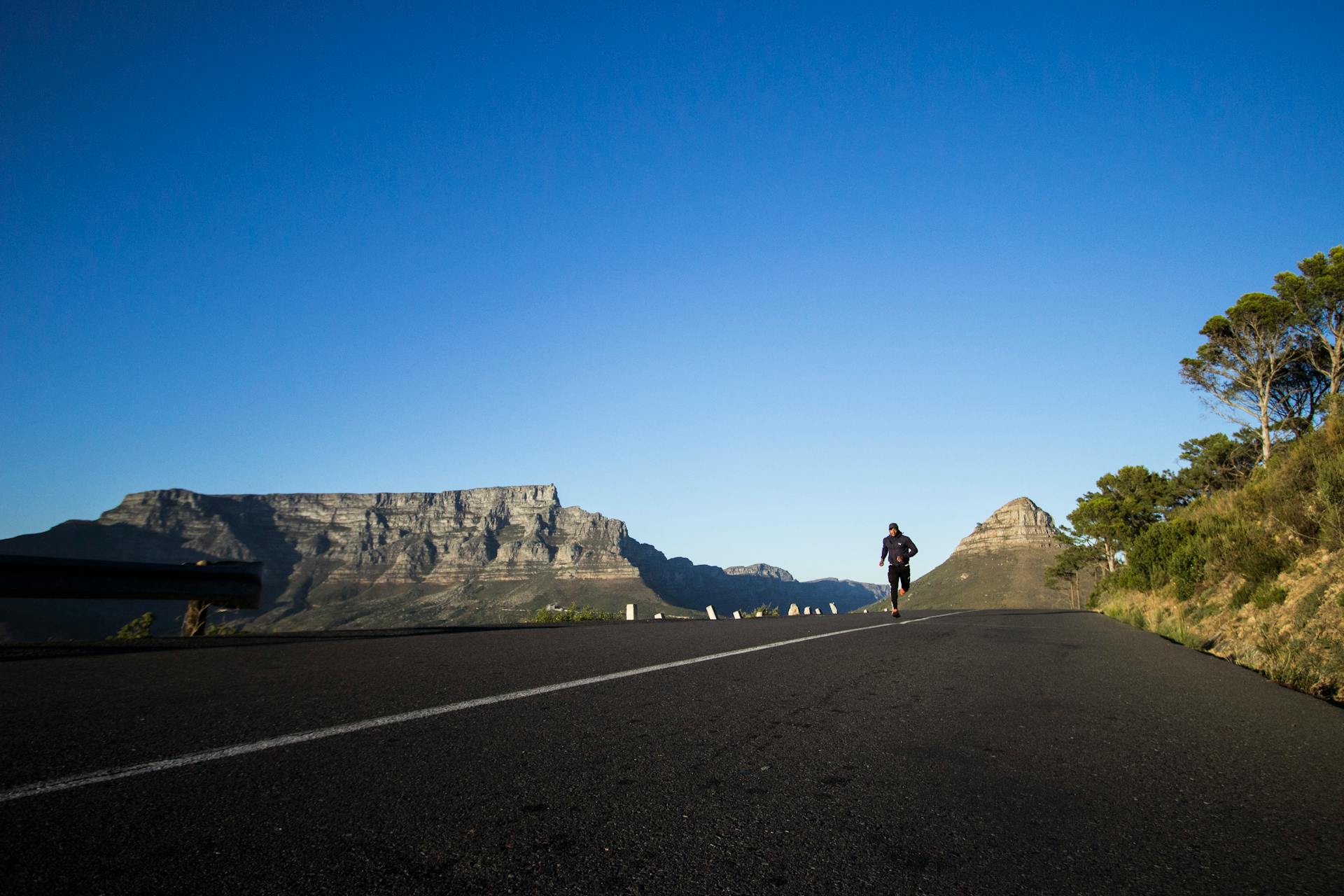
The Power of the Long Slow Run: Why Every Runner Needs It
In a world of flashy intervals, fast finishes, and race-day PRs, the long slow run (LSR) might seem... well, boring. But if you're serious about becoming a stronger, faster, and more efficient runner, it's time to give the LSR the respect it deserves.
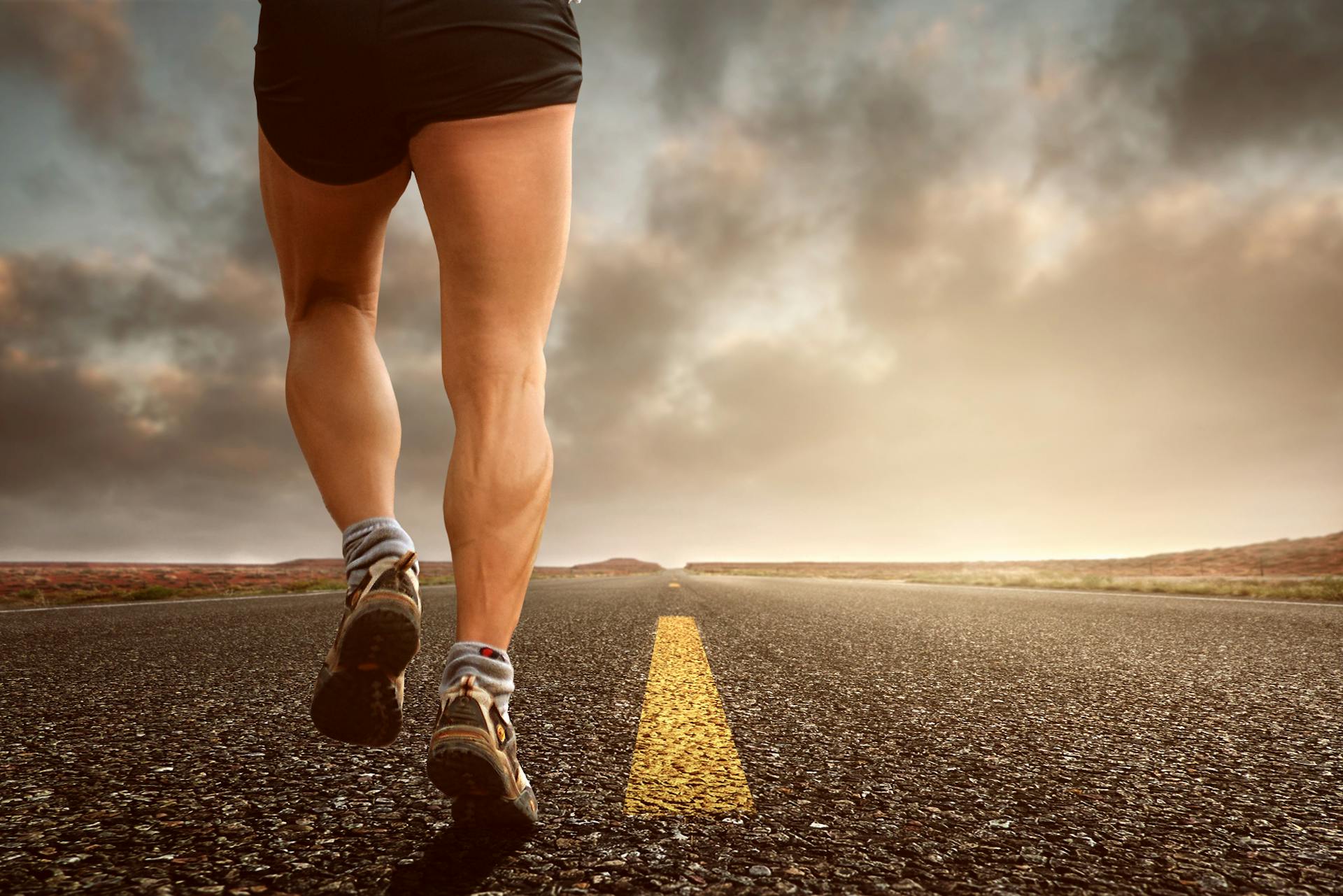
Tempo Runs: The Sweet Spot for Speed and Endurance
There's a run that lives in the space between comfort and chaos — fast enough to demand focus, but sustainable enough to build grit. This is the tempo run, and it's one of the most powerful workouts in a runner's training toolkit.
Interval Training: Precision Workouts to Boost Speed, VO₂ Max, and Race-Day Readiness
Speed doesn't come from magic. It comes from specificity, structure, and stress — applied at the right time, in the right way. That's where interval training shines.
Aerobic vs. Anaerobic Systems: How Your Body Powers Every Run
If you're a serious runner — whether you're chasing a marathon PR or mastering the 5K — it pays to understand what's happening under the hood. Every stride you take is powered by energy, and that energy comes from two core systems: the aerobic and anaerobic systems.